

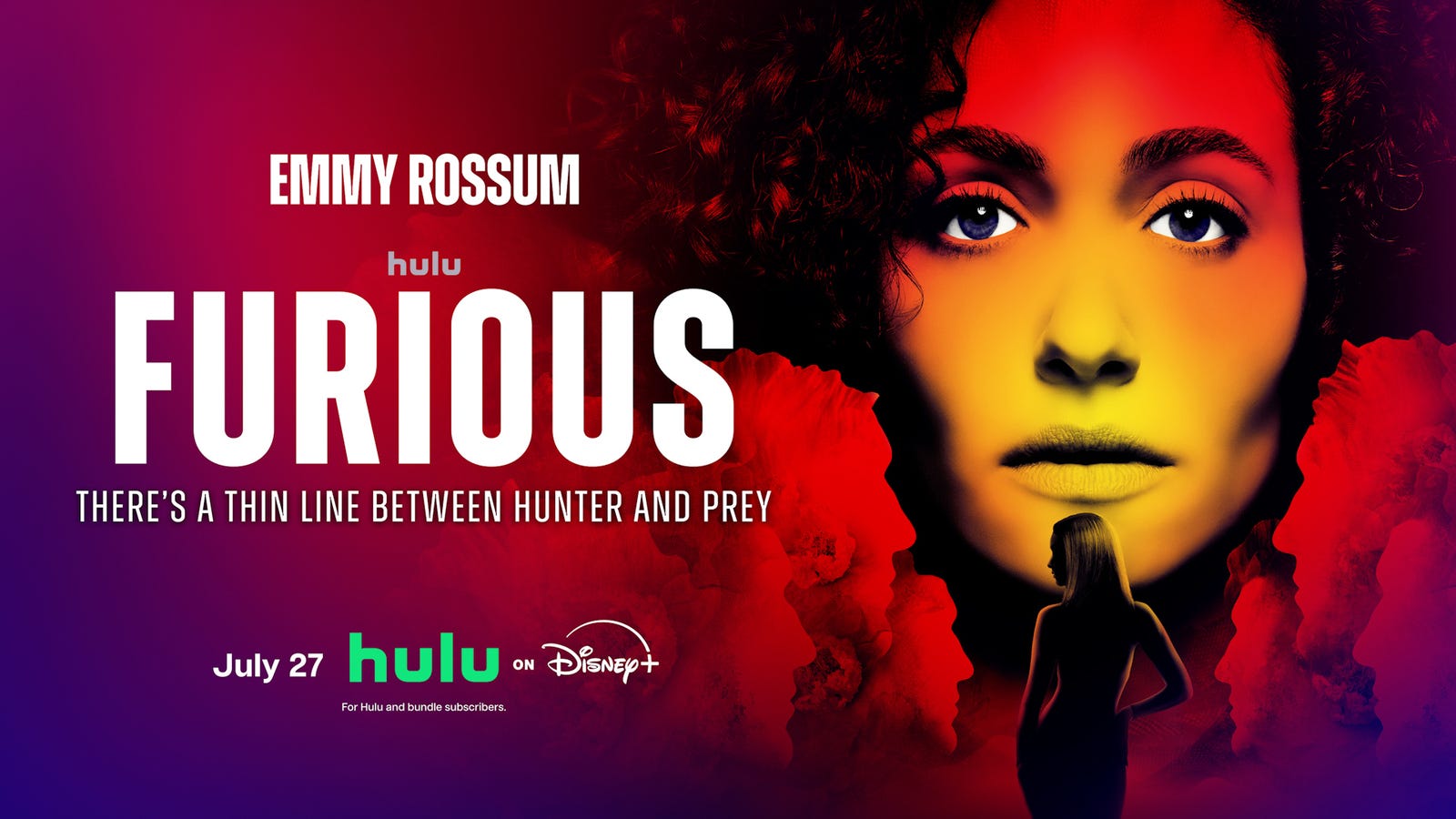
I’m not sure exactly when I realized Hulu’s Furious was one of the best series I’ve seen on TV this year. Certainly, it was before the show dropped a mesmerizing and satisfying season finale episode on Monday.
But I do know why I felt that way: Seeing a complicated, twisty murder mystery wrapped around the idea of showcasing so many different shades of women’s pain – often caused by the merciless desires of toxic men – to create the most compelling batch of characters I have seen on one screen for a very long time. This show is the embodiment of the phrase “hurt people, hurt people,” revealing a cavalcade of damaged folks whose attempts to cope with horrific things from their personal histories lend all kinds of new dimensions to what could have been a very predictable serial killer story.
HEAR ME TALK ABOUT THIS on NPR’s midday show Here and Now by clicking here.
Creator Liz Meriwether – and can we take a moment to tip a hat to a woman who could make this and lighthearted comedies like New Girl? – gives us Emmy Rossum as Alice Black, a street kid who grows up to be a driven FBI agent trying to catch a female serial killer while trying to stay one step ahead of her toxic past. Lola Petticrew is that killer, Catherine Grace, who initially seems like one of the merciless geniuses TV always throws at us in stories like this, until we learn why this survivor of sex trafficking is doing what she’s doing.
But two of the most amazing characters in this gritty, bruising story are not the main stars. Steve Way, an actor born with muscular dystrophy, is side-splittingly funny and defiant as Alden, a guy who fell in love with Catherine while she was working as his home health care aide and wants to marry her.
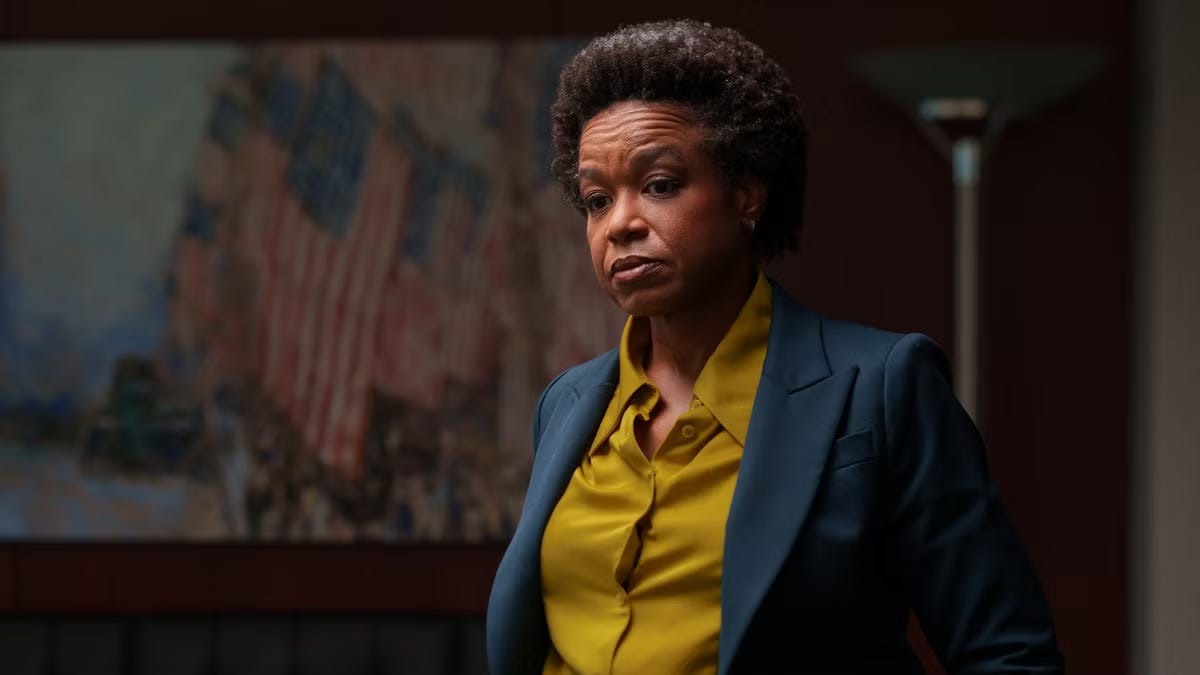
And the transcendent Quincy Tyler Bernstein steals scenes like a master pickpocket, playing caustically cynical Nora Washington, the head of the FBI’s sex crimes unit -- on the verge of burnout both because of the job and the way an opportunistic supervisor pushed her to bury a past case which might bring down a powerful man.
Now that all of Furious’ episodes have been released, I urge you to binge it on Hulu right now. This show has all the things I love about great TV that is surprisingly difficult to pull off: unpredictable characters who nevertheless act in ways that are consistent with who they are. Compelling stories which seem familiar, but grow more unique and specific as they unfold. Stories which are about something larger than the surface narrative, making bold statements about life or the world in the actions of its characters. And stakes important enough – at least, to the characters in the story – that you are invested deeply as a viewer in learning what happens and why.
There are a few other TV shows like this that I have seen in recent weeks that are worth checking out before the deluge of new programming for the fall kicks in.
With Labor Day falling on Monday, might be worth taking the long weekend to check out these compelling series which debuted toward the end of summer.
Lanterns, HBO, Sunday nights: I’ve already written a long, mostly non-spoilery essay about this series, which brings sophisticated, moody and grounded storytelling to a tale about superhero space cops called Green Lanterns, who can fly and build constructs with a fancy power ring. But Sunday’s episode was particularly compelling, fleshing out how Aaron Pierre’s John Stewart was tapped to serve as backup/replacement to Kyle Chandler’s borderline burnout Lantern, Hal Jordan. The story referenced Stewart’s experience and sensibility as a Black man, setting off racist trolls and woke-hating fanboys across social media.
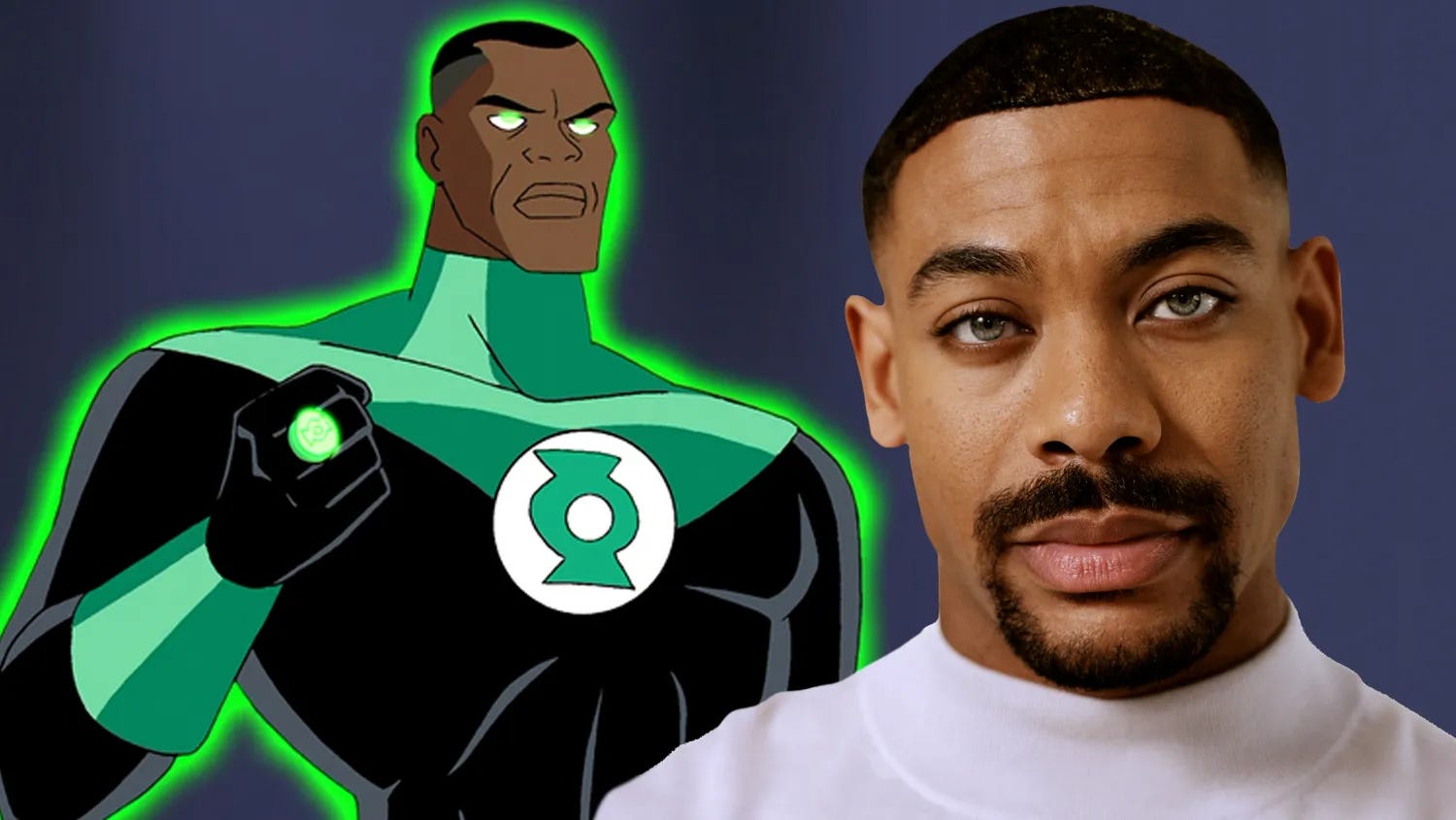
No matter how much I encounter it online and in media, it always surprises me how rigid some fans can be about projects working hard to connect their themes to real world concepts, no matter how far flung the environment. All of these stories are ultimately about us all as people and a society, so why wouldn’t Lanterns take a great big power ring-sized swing at those themes?
Here’s a link to my talk about Lanterns on the midday NPR show Here and Now.
And click here for Collider's amazing interview with Lanterns writer Vanessa Baden Kelley, explaining exactly why Sunday's episode, featuring a bold, unapologetically Black version of John Stewart's origin story, was so meticulously crafted.
Star Trek: Strange New Worlds, Paramount+: While this series -- about the adventures of the Starship Enterprise before Capt. James T. Kirk took it over, when it was run by Anson Mount’s stalwart Capt. Christopher Pike – is the most like the classic original Star Trek series, it actually weaves between offering more typical space adventures of the week and presenting ambitious episodes that test the sensibilities of longtime fans. In particular, an episode last week in which much of the crew was turned into Muppet-like puppets – the series can’t actually use the word Muppets, of course – also set off choruses of complaints from people who feel these big swing episodes are too silly or different from Trek’s spacefaring vibe. It’s been interesting to see the tension between fans who have mostly grown up with Paramount+-era Trek series like Discovery and Picard, often offering one big storyline arcing over the whole season, and older fans who remember how programs like The Next Generation mostly avoided multi-episode stories. I’ve mostly enjoyed seeing the program strain the boundaries of what fans might see as a Trek-appropriate story, even while I understand how other fans might yearn for more on brand stuff.
Ted Lasso, Apple TV: My litmus test for most comedies is simple. If it makes me laugh unexpectedly once or twice in an episode, I’m in. And despite all the hyperventilating from some critics that this show shouldn’t have come back or it’s diminished in its fourth season, I have found the opposite: this new story centered on Jason Sudeikis’ character moving from Kansas City back to England to coach a women’s soccer team is moving and entertaining in ways both familiar and brand new. I admit I’m a sucker for shows centered on characters I enjoy spending time with – like most TV fans – but I think this new season of Lasso strikes a compelling and difficult balance between giving familiar characters different challenges and serving up some fresh folks for viewers to love.
Reacher, Prime Video: Bear with me here. I know Prime Videos’ series -- with the towering Alan Ritchson as novelist Lee Child’s massive military cop turned nomadic do gooder Jack Reacher -- gets more outlandish every season. In fact, there is a point in the middle of every season where even the show’s cartoonishly outrageous premises go off the rails and the story becomes mostly an excuse for Reacher to beat up the bad guys and save the day, usually backed by a bizarre Scooby Gang of helpers who fall into his orbit. But every season also starts with a compelling mystery – including this year’s story about a woman who kills herself on a train in front of Reacher, uncovering a deeper conspiracy that involves a Black Ops operation overseas, a ruthless cadre of CIA agents and an aspiring politician with a murky past. Yes, this is the TV storytelling equivalent of the massive piles of junk food Reacher scarfs down during his adventures. But Ritchson has created a character indelible enough to carry episodes through some pretty ludicrous turns, and I’m always there for the ride.
I love the way you described these characters as unpredictable while still behaving consistently with who they are. I think that is a huge part of why Furious worked so well for me.
By the finale, some of the choices are shocking, but they never feel like the writers suddenly moved the characters somewhere for the sake of a twist. You can trace how they got there, even when you desperately wish they had chosen differently.
And yes to Nora. Quincy Tyler Bernstine was extraordinary. I could have watched an entire series built around her alone.
I ended up writing about Furious too because it got under my skin in a way I was not expecting. I went in thinking I was watching a serial-killer thriller and came out thinking about trauma, complicity, institutional failure, imperfect victims, and what happens when people run out of acceptable ways to carry their pain.
That is my favorite kind of television. The story on the surface is compelling enough to keep you watching, but the real story follows you after the screen goes dark.