
Lessons learned in the 12 months since I became a full time professor
It's been a wonderful, enervating, gratifying year since I shifted from full-time journalism and teaching part time to becoming a college professor. Here's a few things I've learned so far.

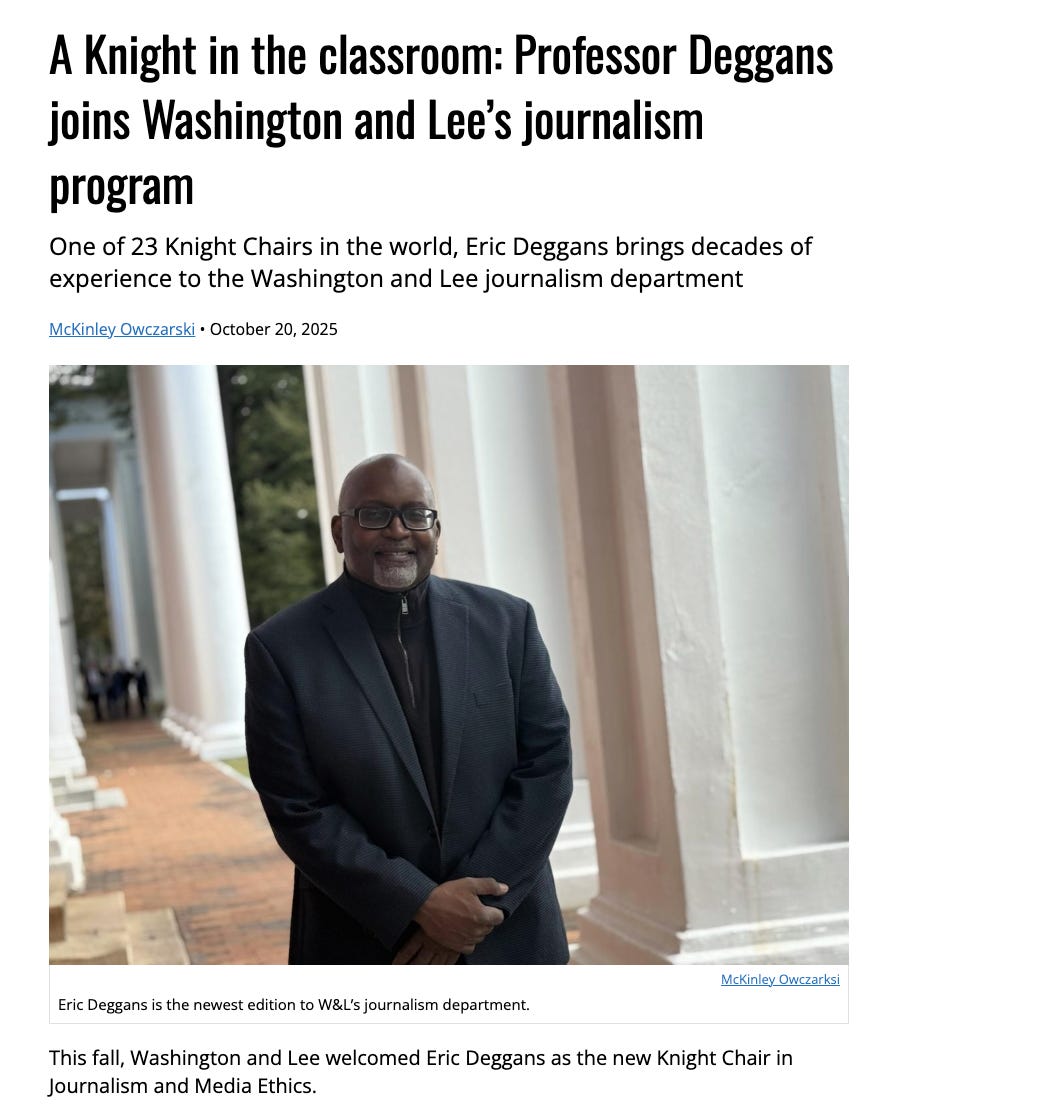
Life often sneaks up on you at the oddest times. So it is with some amazement that I finally note here an anniversary which actually happened a month ago – my hiring as the Knight Professor of Journalism and Media Ethics at Washington and Lee University in Virginia.
It has been an amazing and wonderful year, filled with huge challenges requiring an enormous of amount of energy to implement. But there is nothing I love more in life than pouring a ton of work into something that brings results. And so far, my time as a journalism and ethics professor at Washington and Lee has led to a wide array of successful experiences and achievements that only underscore what a wonderful opportunity I’ve been given in a very special place.
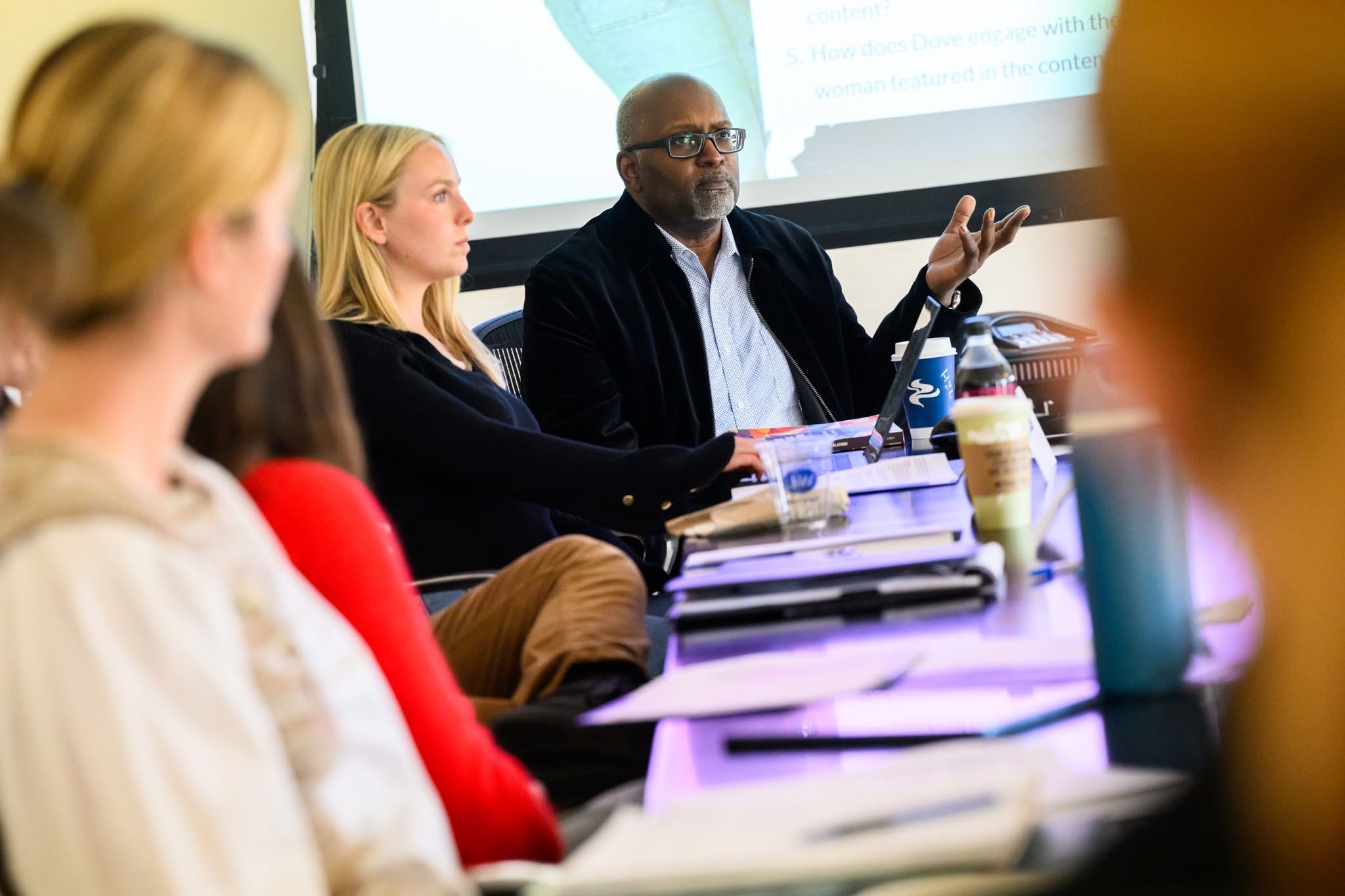
Endowed by the Knight Foundation, my position has allowed me to teach ethics to senior-level students here studying both journalism and marketing/PR/strategic communications. But a big part of the job also involves sparking conversations and lessons about media ethics in the wider community – across the school and out in the world.
What I’ve learned – besides the fact that I still have lots more to learn about teaching and the world of ethics – is how little people understand about what most journalists do, why they do it, and how ethics is such a crucial part of high-quality journalism. More on that a little further down.
First, I want to celebrate a little, over the great stuff we’ve done so far: Guest speakers in my classes – through the wonderfulness of Zoom – have included CNN’s Brian Stelter, comic Roy Wood Jr., journalist/producer Soledad O’Brien and NPR’s Ayesha Rascoe, speaking on everything from the current state of journalism ethics to interviewing techniques and how award-winning TV gets made.
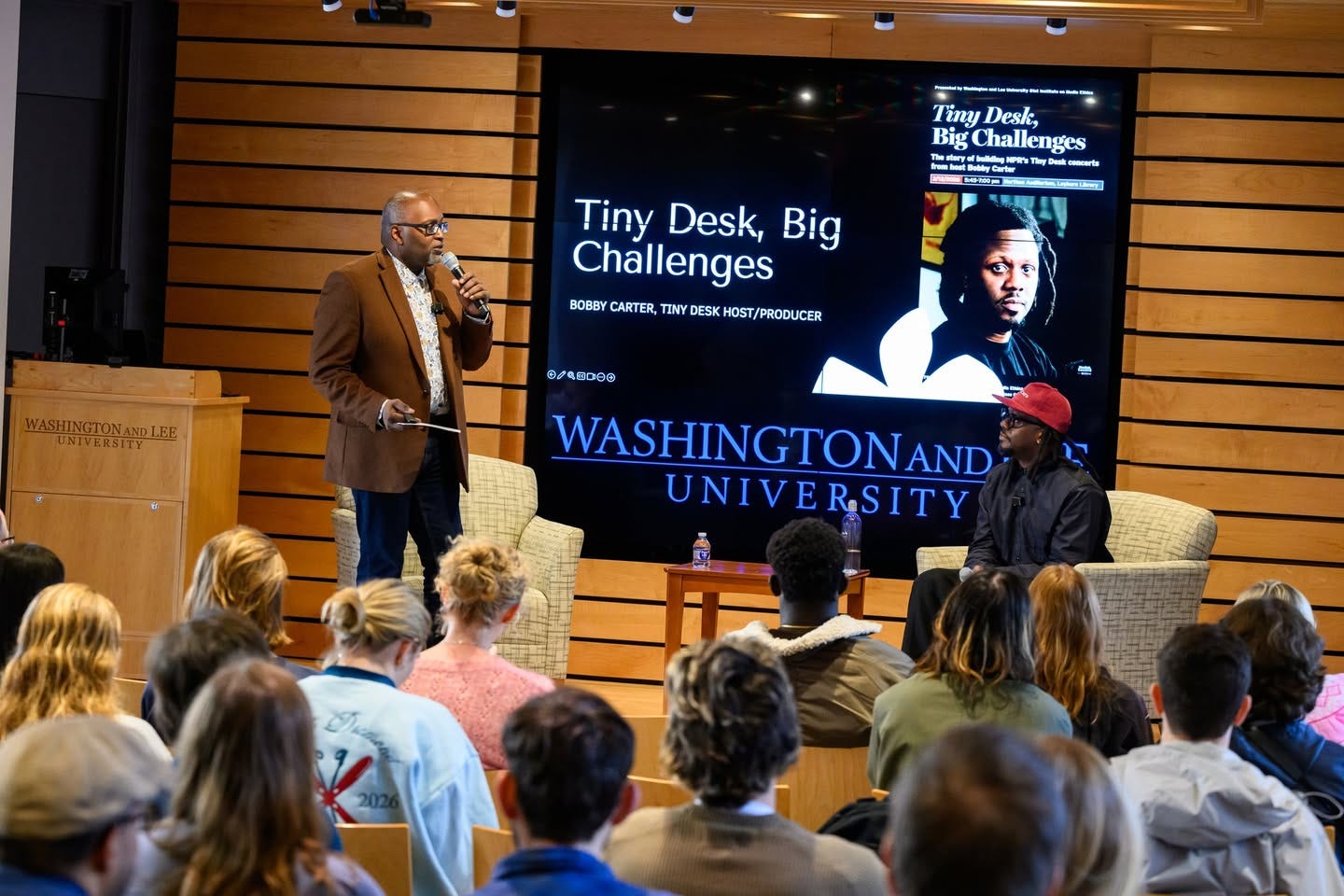
Public panels have featured The Atlantic’s editor-in-chief Jeffrey Goldberg, NPR Tiny Desk host Bobby Carter, NPR Code Switch editor Leah Donnella and former ESPN correspondent Michele Steele. We had a screening at the school of the Star Trek: Starfleet Academy series finale three days before it was released on Paramount+.
And, just last week, we held a small, free workshop for area high school journalists — co-sponsored by the university and the Knight Foundation — where they got to interview Lexington Police Chief Justin Doll and his second in command Capt. Jessica Burks, creating TV and audio podcast interviews filled with great information.
Right now, I’m leading a search committee to find a new professor to serve as W&L’s Donald W. Reynolds Chair in Business Journalism -- an endowed professorship with tenure, focused on teaching business journalism, overseeing an internship program, helping coach young journalists working on student-run publications and more. It’s basically a business journalism-oriented version of my job, and it’s an amazing position for someone with loads of experience covering business who might be ready to pass some of that knowledge on to the next generation of journalists.
Click here for more details.
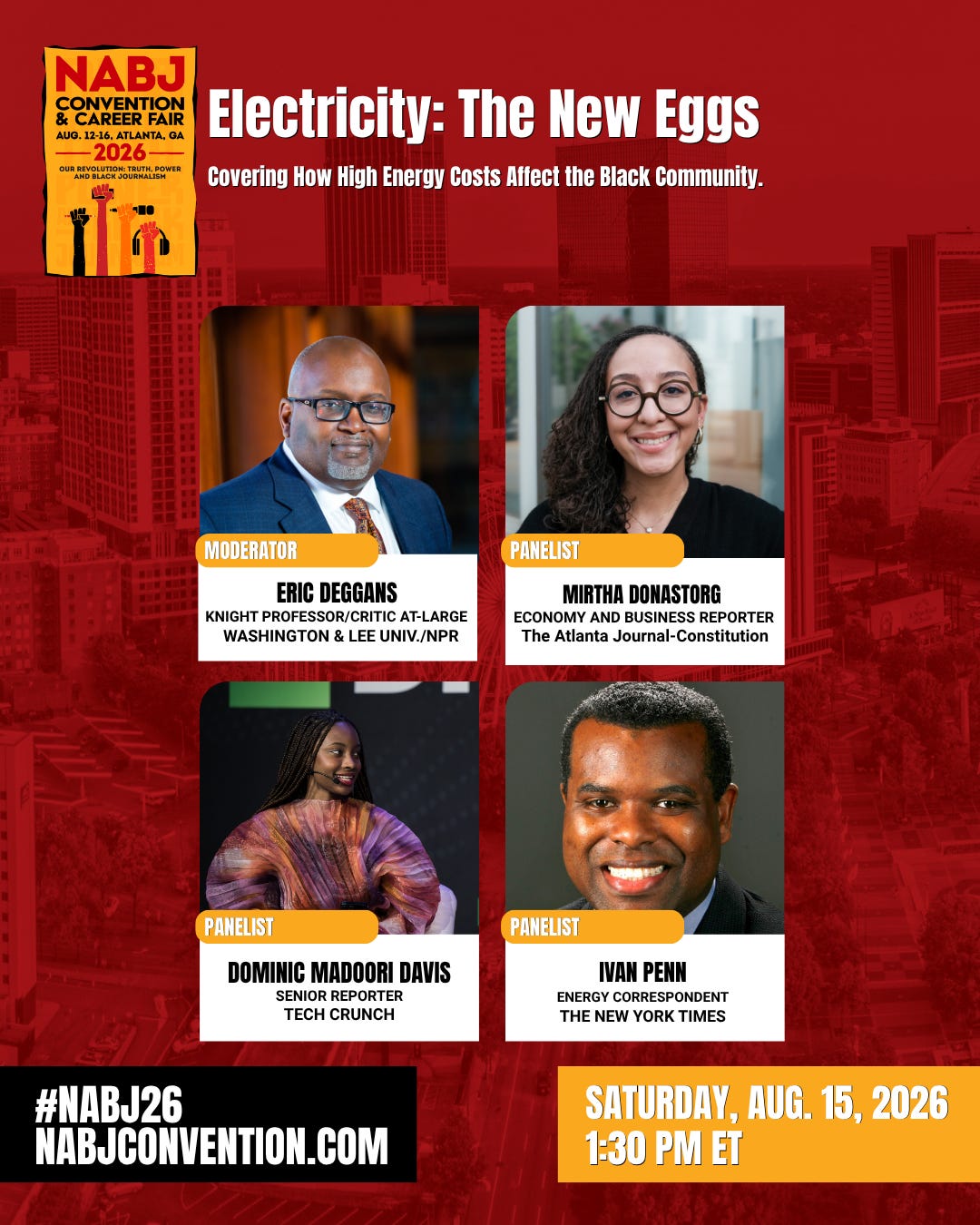
I’m going to be in New Orleans for much of this week, talking up the opening at the national conference for The Association for Education in Journalism and Mass Communication (AEJMC). Next week, I’ll be at doing the same thing at the National Association of Black Journalists national convention in Atlanta, where I’ll also be moderating a panel on the coverage of energy issues involving communities of color. Please look me up and say hi if you’re around either of these get togethers – particularly if you’re interested in the position or know someone else who might be.
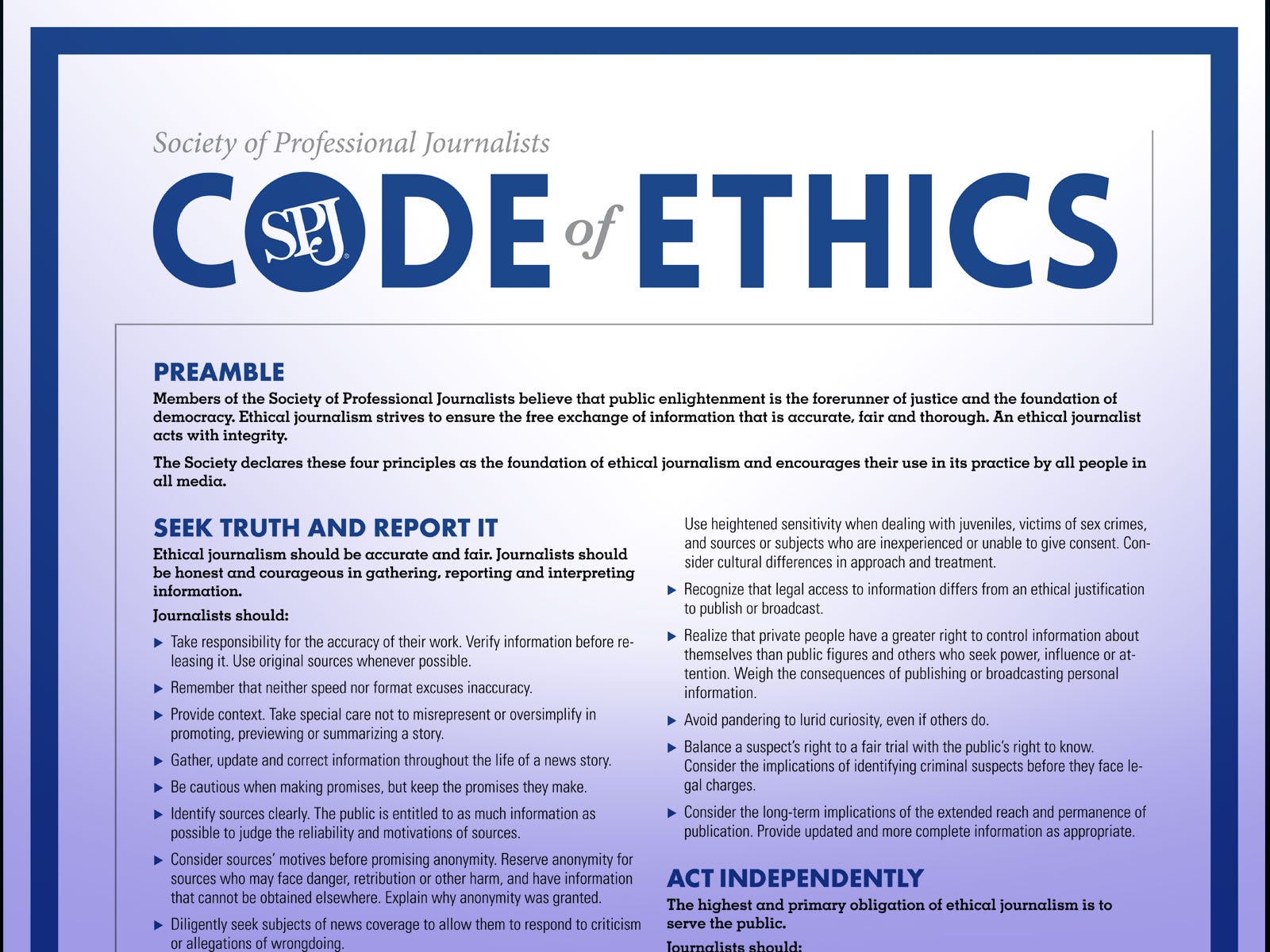
And, finally, I’m working on the Ethics Committee at the Society of Professional Journalists to help modernize its nearly century-old Code of Ethics. This is the list of journalism values I provide to all my students, which serves as the bedrock for my lessons on how to think through ethical challenges on the job. We’ll soon rollout the proposed changes, which must ultimately be voted on by the membership.
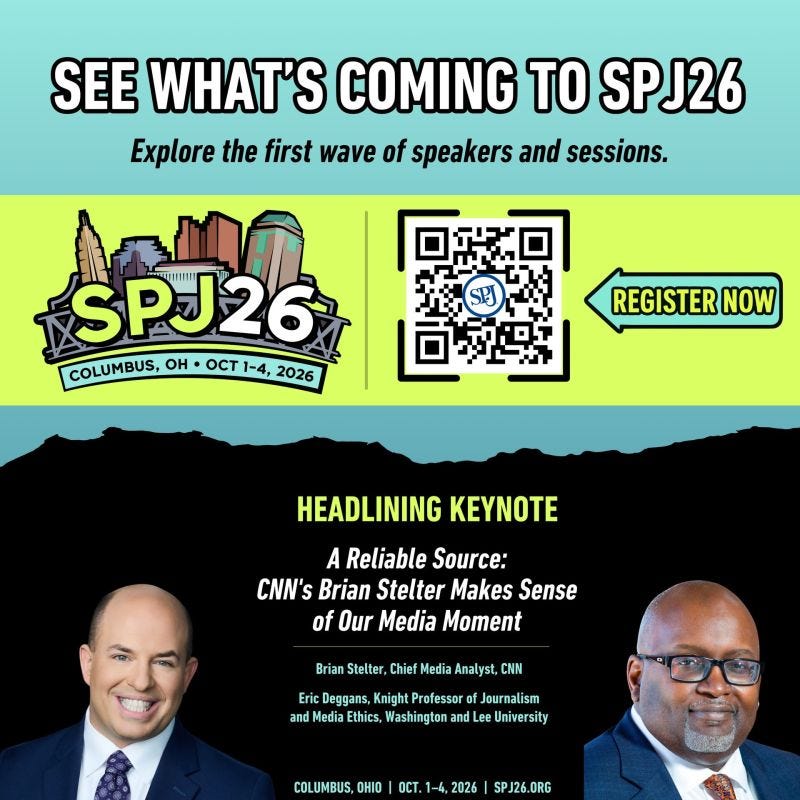
And I’ll get to discuss the state of journalism ethics and more with Brian Stelter as part of the SPJ’s national convention in October.
Forgive me if this sounds like a lot of me-focused announcements. But I’m very excited by the possibilities to spark conversations about ethics out in the wild. And I’m so grateful for the opportunity to do meaningful work with a bunch of great colleagues at Washington & Lee University who are committed to teaching these lessons to student who sorely need the backup — while also continuing to serve as a critic at large at NPR.
Here’s a little of what I’ve learned so far in my new gig:
Everyone makes mistakes and there is often no single “right” answer to ethical questions. Now that I’m giving advice to students and talking to journalists about these issues, I recognize something that used to irk me a bit as a media reporter – the tendency for ethics professors to acknowledge that these issues are complex and don’t necessarily have hard and fast answers.
For example, I got a call from a columnist working on a great piece alleging that the White House press corps hadn’t yet asked President Trump directly about the emerging issue of people within his administration possibly using their knowledge about developing events to make money on prediction markets (this was well before such accusations surfaced about Trump’s teleprompter operator). My response was: how do you know the press corps hasn’t asked about this?
And my second response was, if I was developing an in-depth story about officials engaging in insider trading, I might not ask about it in a public press conference – just because I wouldn’t want to tip my hand to competitors what I was working on. So inferring that journalists aren’t covering something because the press corps didn’t ask about it in public isn’t necessarily a correct assumption. I urged the columnist to ask some people in the press corps whether the issue had come up and what they thought about the implications.
With most ethical issues, my big questions revolve around whether journalists are acting in good faith, being transparent about decisions and correcting behavior when problems arise. Those three things – which sound so simple, but can be tough to implement daily – go a long way toward best practices, even when mistakes are made.
For journalists, ethics can be like an automobile’s seat belt. Experienced journalists know how to execute stories. And sometimes they may push ethical boundaries to get them. Still, following ethical codes can be like putting on a seat belt in your car; it sometimes feels restrictive and you don’t always need it. But when calamity comes, they can be a lifesaver. If questions arise about a story, if a mistake happens, if a powerful subject tries to invalidate the work, a strong ethical track record can ensure the quality of the reporting and remove any doubt that the journalist was acting in good faith – even if it turns out he or she made a mistake.
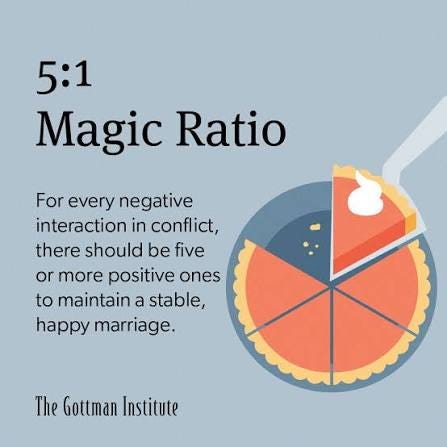
In journalism as in personal relationships, one mistake can do more damage than a score of great achievements. There is a psychology professor, John Gottman, who conducted research showing that, in happy marriages, couples generally have five positive interactions in their relationship for every negative interaction from a conflict. I don’t have any research to support this, but my hunch is that the public’s trust in journalism institutions operates similarly. So, every time journalism institutions fall short, they create a gap in trust that takes many more positive achievements to overcome.
There have been several great stories published recently about how media consumers who once trusted mainstream media outlets – often progressives and liberals -- are now turning to independent journalists and left-leaning media outlets for news and tuning out the big names in mainstream journalism. I think some of this is to be expected in an increasingly partisan political and societal environment where media platforms are used to shape public opinion in obvious and unethical ways – from the baldfaced partisanship of Fox News Channel in supporting the lie that Trump did not lose the 2020 election to the jettisoning of personnel from CNN and CBS News for reasons which seem more political than professional.
But I also think we’re seeing the 5:1 ratio of relationships at work.
When TV outlets like CNN abuse the concept of the “breaking news” banner, or a newspaper like The Washington Post pulls the planned endorsement of a presidential candidate to favor the owner’s business interests or an outlet is revealed to secretly be using AI to generate stories or news outlets create pay-to-play sections in their platforms where advertisers can be featured in presentations which look suspiciously like news coverage – individual managers may think they’re doing what it takes to stay competitive or keep the lights on. But they’re also doing damage that will take a half dozen major journalism exposes to recover the audience’s trust.
More than anything, in this job I’ve learned that an effective and accurate free press is more fragile than many of us would like to believe. And there are scores of opportunists who benefit from tearing down honest journalism – from a press-hostile Presidential administration to media personalities and platforms whose success is predicated on getting audiences to give up on traditional journalism and journalists.
Don’t play that game. Because it won’t be obvious how much we have lost when the public gives up on ethical journalism, until it’s too late to get it back.
Really looking forward to the next 12 months I’m going to spend driving that point home to anyone who will listen.
What a great share. Proud that you’re part of my alma mater.
I loved interviewing you for my insider trading column and your advice made the final piece much stronger! As journalism continues to be upended, professional transitions like yours (and mine) seem to increasingly be the norm - thank you for sharing what your own changes have felt like from the inside.